Early Detection
The carcinogenic risks of environmental toxins: PFAS & BPA
PFAS (“forever chemicals”) and BPA are pervasive but what's the key?
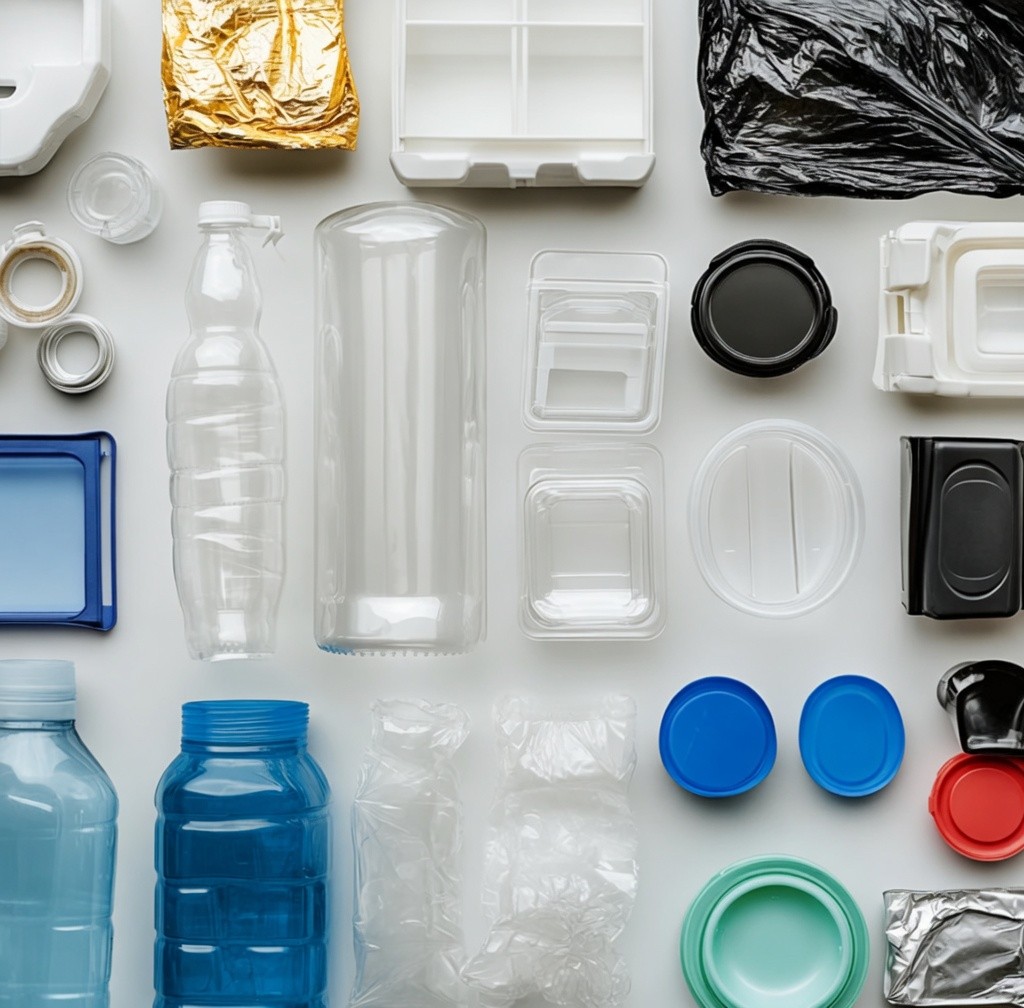
AT A GLANCE
Why it matters: PFAS (“forever chemicals”) and BPA are pervasive in everyday items—from nonstick cookware to food packaging. These substances can disrupt hormones, impair immune function, and may elevate cancer risk. Understanding and minimizing exposure is crucial for long-term health.
Everyday chemical exposure
Environmental toxins are present in everyday products but awareness and action can help you reduce exposure. Two of the most well-known—PFAS (known as per- and polyfluoroalkyl substances) and BPA ( bisphenol A)—have been linked to hormone disruption metabolic changes, and other long-term health effects.
While forever chemicals like PFAS and endocrine disruptors like bisphenol A are widely used in consumer goods, you can reduce their impact on your personal health.The key? Understanding sneaky sources of exposure and taking simple, effective steps to monitor and reduce exposure levels.
PFAS & BPA

Where it's found: PFAS, commonly referred to as forever chemicals, are synthetic compounds designed to resist grease, water, and oil. They are commonly found in nonstick cookware, water-resistant fabrics, fast-food packaging, firefighting foams, and contaminated produce, fish, and water. Because they do not break down easily, PFAS can accumulate over time in the environment and human body.
How it impacts health: Research has linked PFAS exposure to changes in immune function and hormone balance. Long-term exposure has been associated with thyroid dysfunction, and liver damage
What you can do: Since PFAS are widespread, reducing daily exposure is key. Avoid nonstick cookware, skip fast food to avoid PFAS-coated food packaging, choose non-PFAS based water-resistant fabrics, and filter drinking water with a system designed to remove PFAS.
What is BPA?
Where it's found: BPA (bisphenol A) is a chemical widely used in plastics, canned food and beverage linings, thermal receipts, and dental sealants. It is commonly found in plastic food containers and reusable water bottles.
How it impacts health: BPA is classified as an endocrine disruptor, meaning it can interfere with hormone function. Studies suggest BPA exposure may contribute to fertility issues, metabolic imbalances, and cancer, in animal studies.
What you can do: BPA exposure can be reduced with smart swaps. Choose glass or stainless steel containers, opt for fresh or frozen foods instead of canned goods, and decline thermal paper receipts whenever possible.
"Your body has tiny “holes” that help move important things around. PFAs look like the right shape to fit, but they’re slightly wrong — so they get stuck instead of coming back out. Over time, more get stuck, causing buildup that can lead to health problems, including cancer."
Chemical entry paths
Every day, people unknowingly come into contact with harmful environmental toxins.1,2 PFAS and BPA are present in products and materials that seem harmless but contribute to long-term health risks. Potential sources of exposure include:
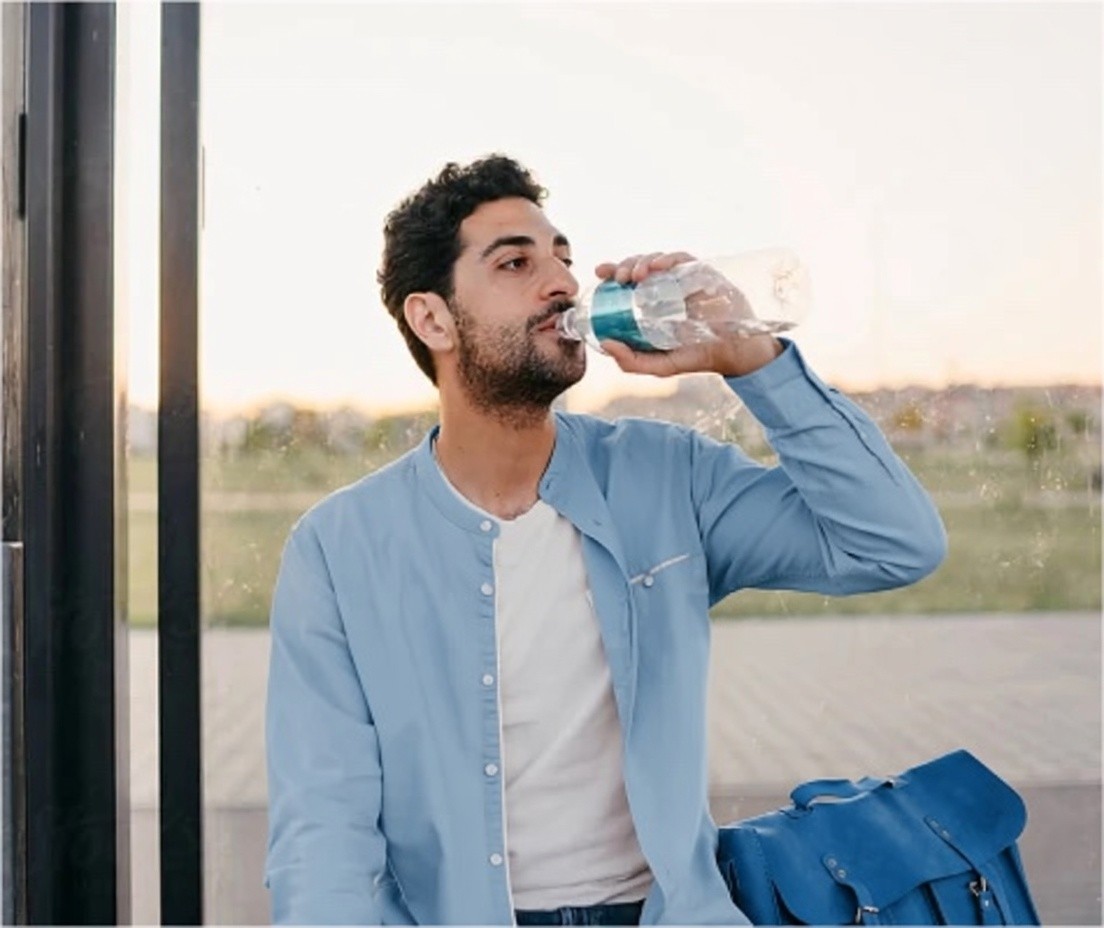
Drinking water - PFAS contamination in municipal water systems is a growing concern worldwide.
Food packaging - Toxic chemicals leach from wrappers, cans, and plastic water bottles and food containers.
Household products - Nonstick cookware, stain-resistant fabrics, and cleaning agents contain potential carcinogens.
Personal care products - Certain shampoos, cosmetics, and lotions contain toxicants absorbed through the skin.
Air & dust - Toxic chemicals like PFAS and BPA can be airborne, affecting indoor environments.

How these chemicals affect health
The scientific community has identified PFAS and BPA as chemicals that have the potential to influence cancer risk. These substances affect the body's ability to regulate hormones, increasing susceptibility to disease.
Endocrine Disruption - BPA mimics estrogen, which has been found to increase the risk of hormone-sensitive cancers like breast cancer, in animals.
Immune Suppression - PFAS exposure is associated with higher risk for Parkinson’s disease and weakened immune function.
Liver Damage - As PFAS accumulate in the body over time, they can cause toxicity in major organs like the liver.
Metabolic Syndrome - Obesity and diabetes risks increase due to BPA’s interference with insulin regulation.
Environmental toxins & cancer
Exposure to environmental toxins like PFAS and BPA doesn’t just linger—it may affect gene expression. Studies show that exposure to harmful environmental chemicals can trigger cellular mutations, increasing the risk of cancer development. While genetics play a role in cancer risk, environmental factors like exposure to toxins is a major contributor and can also influence gene expression (known as epigenetics).
The link between oxidative stress & cancer risk
Research shows that prolonged exposure to certain chemicals can lead to oxidative stress and inflammation, which is linked to increased cancer risk. Some animal and in-vitro studies have suggested that PFAS exposure is associated with a higher risk of breast cancer. More research is needed to fully understand the effects of PFAS and BPA on human health, but while the science evolves, you can still take proactive care to monitor and reduce your exposure.
Reduce your exposure
While it may seem overwhelming to eliminate all toxic chemicals from your environment, small, consistent changes can stack up and significantly reduce your exposure over time. Here’s how you can start minimizing your exposure to PFAS and BPA:

Ditch nonstick cookware
Why it matters: Nonstick cookware is a major source of PFAS exposure, as these chemicals can leach into food, especially when the cookware is scratched or heated to high temperatures. Keep in mind, “PFOA-free” pans may still contain other harmful PFAS compounds so look for safer alternatives. Here’s how:
Action step: Opt for cast iron, stainless steel, or ceramic alternatives (avoid ceramic-coated pans) to avoid PFAS exposure from cookware.
Use glass or stainless steel containers
Why it matters: Plastic containers, even “BPA-free” ones, may still contain hormone-disrupting chemicals like BPS.
Action step: Pass on plastic-based, single-use bottled water. Switch to glass or stainless steel when it comes to reusable water bottles and food storage containers to minimize exposure to these endocrine-disrupting chemicals.
Filter your water
Why it matters: 70% of municipal water supplies in the U.S. and surrounding territories contain detectable levels of PFAS.
Action step: Test your tap water for PFAS and use a high-quality water filter certified to remove PFAS, or use an alternative water source that has been tested for PFAS.
Eat whole, fresh foods
Why it matters: Processed and packaged foods are common sources of toxins like BPA and PFAS due to contact with plastic linings and chemical-treated packaging.
Action step: Choose fresh, whole, nutrient-dense foods when possible to minimize ingestion of these harmful chemicals often found in ultra-processed options.
Check labels on personal care products
Why it matters: Many everyday personal care products contain toxicants—beyond PFAS, these products can contain phthalates and parabens, which have been linked to hormone disruption.
How to reduce exposure: Read labels and choose certified non-toxic alternatives.
Choose sustainably sourced seafood
Why it matters: Conventional fish and shellfish are often contaminated with PFAS from polluted water, posing potential risks to your health over time.
Action step: Instead of purchasing farmed fish, look for “wild-caught” or “sustainably-sourced” on the label to reduce personal exposure to PFAS in your diet.

Takeaway
PFAS and BPA are harmful chemicals hiding in everyday products and materials, and while sources of exposure are widespread, you have the power to monitor and lower your exposure levels. Knowing where they hide—your water, food packaging, cookware and food storage containers, and personal care products —makes it easier to make small, meaningful swaps that protect your long-term health.
Every choice you make adds up, and the best step is the first one. Stay informed, take action, and own your health—one choice at a time. As you make swaps to lower your exposure, you can monitor levels of BPA and PFAS and their impact on your health over time with comprehensive lab testing.
Reference:
Dewapriya P, Chadwick L, Gorji SG, et al. Per-and polyfluoroalkyl substances (PFAS) in consumer products: current knowledge and research gaps. J Hazard Mater Lett. 2023;4:100086. doi:10.1016/j.hazl.2023.100086
Hafezi SA, Abdel-Rahman WM. The endocrine disruptor bisphenol A (BPA) exerts a wide range of effects in carcinogenesis and response to therapy. Curr Mol Pharmacol. 2019;12(3):230-238. doi:10.2174/1874467212666190306164507
National Institute of Environmental Health Sciences. Perfluoroalkyl and Polyfluoroalkyl Substances (PFAS). National Institute of Environmental Health Sciences. Published December 4, 2023\. [https://www.niehs.nih.gov/health/topics/agents/pfc](https://www.niehs.nih.gov/health/topics/agents/pfc)
National Institute of Environmental Health Sciences. Bisphenol A (BPA). National Institute of Environmental Health Sciences. Published August 31, 2023\. [https://www.niehs.nih.gov/health/topics/agents/sya-bpa](https://www.niehs.nih.gov/health/topics/agents/sya-bpa)
Celar Sturm D, Virant-Klun I. Negative effects of endocrine disruptor bisphenol A on ovarian granulosa cells and the protective role of folic acid. J Reprod Fertil. 2023;165(5):R117-R134. doi:10.1530/REP-22-0257
Li L, Guo Y, Ma S, Wen H, Li Y, Qiao J. Association between exposure to per- and perfluoroalkyl substances (PFAS) and reproductive hormones in human: A systematic review and meta-analysis. Environ Res. 2024;241(117553):117553. doi:10.1016/j.envres.2023.117553
Xiao T, Huang Z, Zheng C, et al. Associations of bisphenol A exposure with metabolic syndrome and its components: A systematic review and meta-analysis. Obes Rev. 2024;25(6):e13738. doi:10.1111/obr.13738
Ryu DY, Pang WK, Adegoke EO, Rahman MS, Park YJ, Pang MG. Bisphenol-A disturbs hormonal levels and testis mitochondrial activity, reducing male fertility. Hum Reprod Open. 2023;2023(4):hoad044. doi:10.1093/hropen/hoad044
Lee JE, Choi K. Perfluoroalkyl substances exposure and thyroid hormones in humans: epidemiological observations and implications. Ann Pediatr Endocrinol Metab. Mar 2017;22(1):6-14. doi:10.6065/apem.2017.22.1.6
Bline AP, DeWitt JC, Kwiatkowski CF, Pelch KE, Reade A, Varshavsky JR. Public health risks of PFAS-related immunotoxicity are real. Curr Environ Health Rep. Jun 2024;11(2):118-127. doi:10.1007/s40572-024-00441-y
Zhang X, Zhao L, Ducatman A, et al. Association of per- and polyfluoroalkyl substance exposure with fatty liver disease risk in US adults. JHEP Rep. May 2023;5(5):100694. doi:10.1016/j.jhepr.2023.100694
Fenton SE, Ducatman A, Boobis A, et al. Per‐ and polyfluoroalkyl substance toxicity and human health review: Current state of knowledge and strategies for informing future research. Environmental Toxicology and Chemistry. 2020;40(3):606-630. doi:[https://doi.org/10.1002/etc.4890](https://doi.org/10.1002/etc.4890)
Ramírez Carnero A, Lestido-Cardama A, Vazquez Loureiro P, Barbosa-Pereira L, Rodríguez Bernaldo de Quirós A, Sendón R. Presence of perfluoroalkyl and polyfluoroalkyl substances (PFAS) in food contact materials (FCM) and its migration to food. Foods. 2021;10(7):1443. doi:10.3390/foods10071443
van der Veen I, Schellenberger S, Hanning AC, et al. Fate of Per- and Polyfluoroalkyl Substances from Durable Water-Repellent Clothing during Use. Environmental Science & Technology. 2022;56(9):5886-5897. doi:[https://doi.org/10.1021/acs.est.1c07876](https://doi.org/10.1021/acs.est.1c07876)
Seltenrich N. PFAS in food packaging: A hot, greasy exposure. Environ Health Perspect. 2020;128(5):54002. doi:10.1289/EHP6335
—
Standard Therapeutics is an integrative medicine and functional health platform helping our users stay informed on the recent developments in the world of alternative medicine. We also help our users address their health concerns. Become a member.
Read more