Gut Check
Look Alive!
Hidden bugs in our gut appear key to good health.
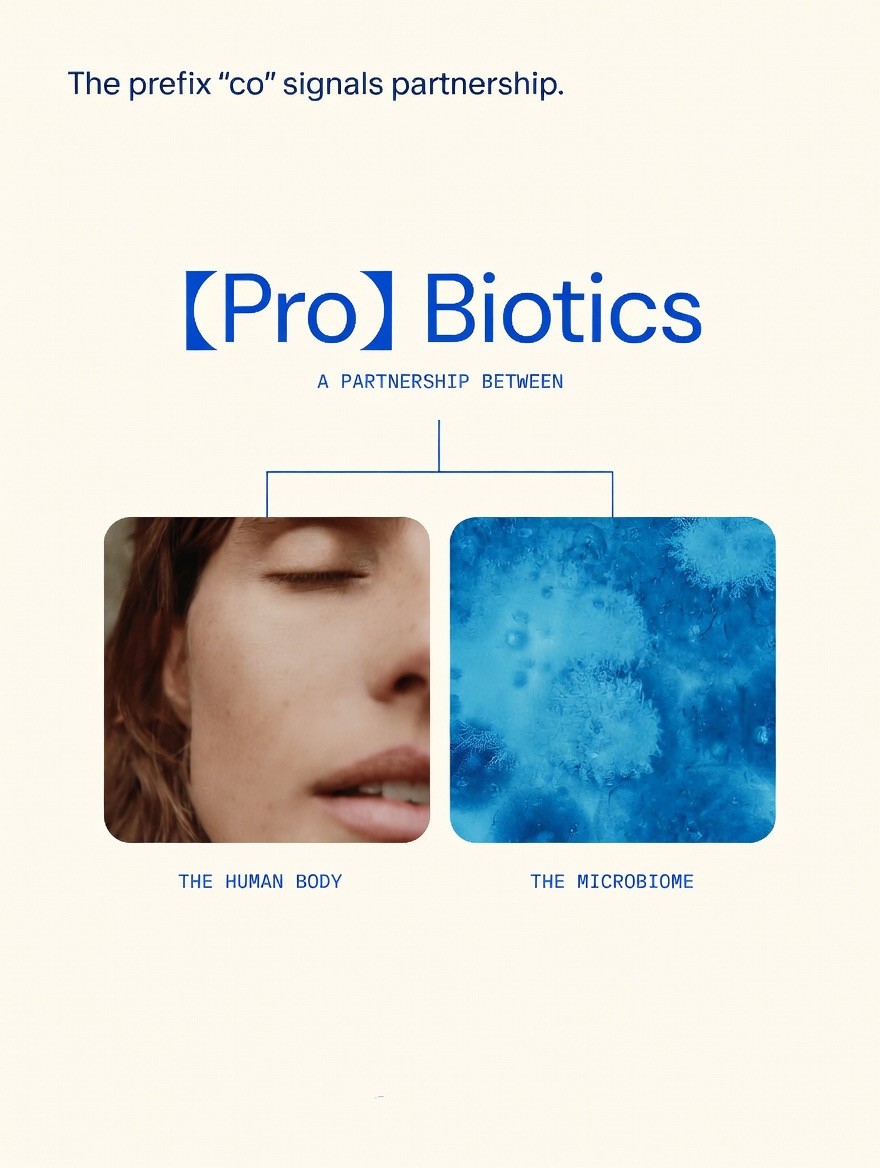
Look Alive!
In simpler terms: Researchers looked at the gut biomes of thousands of people and compared it to their health records. They found that CAG-170 had the strongest signature for health.
CAG-170 is a group of gut bacteria known only from their genetic fingerprints - scientists have never been able to grow most of them in the lab.
Using diverse computational approaches, the team looked for CAG-170’s genetic fingerprint in gut microbiome samples from over 11,000 people across 39 countries and found the level of CAG-170 present was consistently higher in healthy people than those with diseases including inflammatory bowel disease, obesity and chronic fatigue syndrome.
A further analysis of CAG-170 revealed it has the capacity to produce high levels of Vitamin B12, and enzymes that break down a wide range of carbohydrates, sugars and fibres in our gut. Researchers here think it’s likely the Vitamin B12 supports other species of gut bacteria, rather than supporting the humans whose guts it is being produced in.
The findings mean that CAG-170 could, in the future, be used as an indicator of our gut microbiome health. They also open the door to developing new probiotics specifically designed to support and maintain healthy levels of CAG‑170 in the gut.
Researchers looked at the gut biomes of thousands of people and compared it to their health records. They found that CAG-170 had the strongest signature for health. Humans have a very diverse (and still poorly understood) microbiome - both inherited and acquired.
From a microbiologist: The analysis of CAG-170 reveals it has the capacity to produce high levels of Vitamin B12, and enzymes that break down a wide range of carbohydrates, sugars and fibres in our gut.
While it’s equally likely the Vitamin B12 supports other species of gut bacteria, rather than supporting the humans whose guts it is being produced in.
Seems very relevant and we couldn’t go wrong with a well balanced diet as broadly suggested in general and perhaps check your B12 levels and supplement accordingly. Although as mentioned above it is locally produced and suppers other species. - We humans clearly have a very diverse (and still poorly understood) microbiome - both inherited and acquired, anything to encourage that diversity can only help.
Discovering the ‘hidden microbiome’
The study builds on Almeida’s previous work to create a comprehensive reference catalogue of all the genomes in the human gut microbiome, called the ‘Unified Human Gastrointestinal Genome catalogue’. He used an approach called ‘metagenomics’ – essentially, analysing the genomes of all the microbes in the gut in one go, and then teasing these apart into the genomes of individual species.
This revealed over 4,600 bacterial species, including over 3,000 that hadn’t previously been seen in the gut before - indicating the extent of the ‘hidden microbiome’ waiting to be explored. The catalogue provided ‘reference genomes’ for each species, including CAG-170: these are like fingerprints that the researchers can now look for in other gut microbiome samples.
“Our earlier work revealed that around two-thirds of the species in our gut microbiome were previously unknown. No-one knew what they were doing there – and now we’ve found that some of these are a fundamental and underappreciated component of human health,” said Almeida.
Three lines of evidence
The team looked at over 11,000 samples of human gut bacteria from people across 39 countries – primarily in Europe, North America and Asia. These were from healthy people, and people with 13 different diseases including Crohn’s, colorectal cancer, Parkinson’s and multiple sclerosis.
By comparing each sample to the Unified Human Gastrointestinal Genome catalogue the researchers noticed that CAG-170 bacteria are the part of the ‘hidden microbiome’ most strongly linked with health - and this is consistent across countries.
In a second approach, the team computationally analysed the full make-up of the gut microbiome of over 6,000 healthy people to investigate which species had the strongest potential to keep the gut ecosystem in check. Of all the bacteria in the ‘hidden microbiome’, CAG-170 were again most consistently associated with health.
In a third analysis they measured the level of CAG-170 present in the gut microbiomes of people with dysbiosis – a condition where the gut microbiome is out of balance. This revealed that lower levels of CAG-170 in the gut are linked with a higher likelihood of having a gut imbalance. Dysbiosis is linked with many long-term conditions including irritable bowel syndrome, rheumatoid arthritis, and anxiety and depression.

Therapeutic possibilities
The billions of bacteria that make up our gut microbiome represent around 4,600 different species. The composition is different in all of us, but the function is the same: to keep our body running smoothly.
Scientists hope that by understanding more about what a healthy gut microbiome looks like, they can see how it changes in people with specific diseases - and try to correct it using approaches including tailored probiotics. The new study is an important step towards making this a reality.
“The probiotic industry hasn't really kept up with gut microbiome research - people are still using the same probiotic species that were being used decades ago. We’re now discovering new groups of bacteria like CAG-170 with important links to our health, and probiotics aimed at supporting them could have a much greater health benefit,” said Almeida.

Until now, scientists studying the gut microbiome have focused their attention on the bacteria within it that can be grown, and therefore studied, in the lab. Most of the CAG-170 gut bacteria are not in this category - so scientists will need to figure out ways to grow and test them, in order to translate these findings into new potential therapeutics.
Reference: da Silva, A.C. et al: ‘Meta-analysis of the uncultured gut microbiome across 11,115 global metagenomes reveals a candidate signature of health.’ Cell Host & Microbe, February 2026. DOI:10.1016/j.chom.2026.01.013
—
Standard Therapeutics is an integrative medicine and functional health platform helping our users stay informed on the recent developments in the world of alternative medicine. We also help our users address their health concerns.
Image credits: Seed
Research Credits: Cambridge University
Read more